
Social media is quick to point fingers about the “best” new health trend or hacks to combat serious health conditions. What is missing from a lot of these videos is any scientific backing or research to support the claims. The only real dietary change that I have had any experience with is vegetarianism. I was less of a “health vegetarian” and more of an “ethical vegetarian.” My deep love of animals kept me from eating meat for five years — up until the struggles of the college dining hall converted me back to being an omnivore.
Despite leaving the vegetarian life behind, I find myself drawn to more plant-based options when I am cooking. This has left me thinking about whether or not vegetarian meat substitutes can actually provide adequate amounts of protein, vitamin B12, and iron. With substitutes becoming available more and more, it can be hard to tell what options are clever marketing versus actually suitable for fulfilling dietary needs. Are vegetarians actually missing out by skipping the meat?
PROTEIN
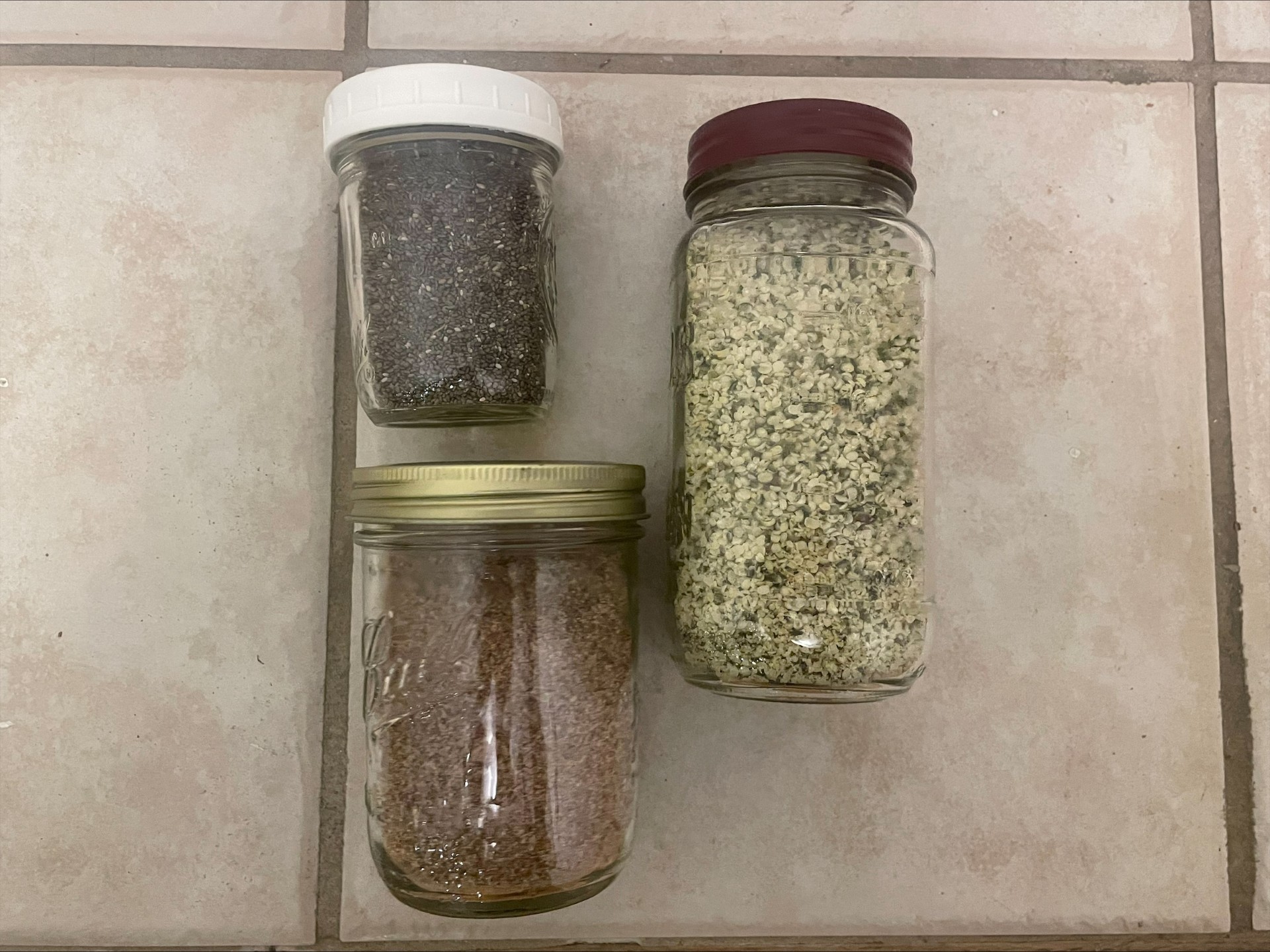
Since meat is the most familiar protein source for many people, removing it completely from the diet may seem disconcerting, however, there are many other ways to still fit protein into a vegetarian diet. Research suggests that suggested protein intake can be met with legumes like lentils and chickpeas, along with other foods such as nuts and seeds (Mariotti & Gardner, 2019). The next argument that is usually made about plant-based protein sources is that the quality of the protein is not as high as the protein that comes from animals. What actually determines protein quality? Proteins are made of amino acids, nine of which are considered essential because the body cannot produce them on its own. These amino acids have to come from dietary sources. Protein quality depends in part on how well a food provides these essential amino acids and whether they are present in sufficient amounts. Although some plant proteins have lower amounts of essential amino acids than animal proteins, eating a variety of foods throughout the day can balance the quantities out and make sure the body is getting enough of each type (Gardner et al., 2019).
The good news is that vegetarians do not need to consume more than the recommended amount of protein or be extremely particular about their protein combinations at different meals. When a diet contains a reasonable variety of foods, extra precautions become extraneous (Mariotti & Gardner, 2019). Instead, eating a mix of protein sources throughout the day allows the body of a vegetarian to be able to build muscle, repair tissues, and do everything else that the body of a meat eater does.
VITAMIN B12
Vitamin B12 deserves a little more attention when it comes to vegetarian diets. It is a vitamin that vegetarians may be at greater risk of not getting enough of because it is found primarily in animal products, like meat, dairy, and eggs. Research has found that vegetarian diets tend to provide lower amounts of B12 (Li, 2014). Unlike protein, it is much harder to find naturally in plant sources unless they have been fortified (Office of Dietary Supplements, n.d.-b).
Fortified foods are products that have additional vitamins and minerals added to increase their nutritional value. This is especially important for a nutrient like B12. The vitamin helps maintain healthy red blood cells and supports normal nerve function. Without enough B12, the body can develop a type of anemia. For adults, the recommended daily intake of vitamin B12 is 2.4 micrograms. While this is a relatively small amount, it is still important to consistently obtain it through food or supplements (Office of Dietary Supplements, n.d.-b). Ultimately, B12 is one example of why simply replacing meat with a vegetarian alternative does not always guarantee the same nutritional benefits. The ingredients and nutritional content of those alternatives matter just as much as the fact that they are plant-based.
Fortunately, fortified foods are not the only option for increasing B12 intake. Supplements can also be a reliable way to meet daily needs, especially for people who do not regularly consume animal products. This does not mean that every vegetarian needs to take a supplement, but it does mean that B12 requires a little more planning than protein. When choosing plant-based meat alternatives, checking the nutrition label can help determine whether a product actually provides B12 or whether another food or supplement is needed to fill that gap.
IRON
Anemia is the condition that results because of low iron, yes, the same anemia I talked about with B12. Iron produces hemoglobin, which carries oxygen throughout the body. Without sufficient iron levels, anemia can lead to fatigue, weakness, and concentration difficulties (Office of Dietary Supplements, n.d.-a)
Lentils, beans, spinach, and tofu all contribute to daily iron intake. However, the difference between the iron found in these plant sources and the iron found in meat comes down to how efficiently it is absorbed by the body. Meat contains heme iron, while plant-based sources contain nonheme iron. The body generally absorbs heme iron more easily than nonheme iron, which means vegetarians may need to pay closer attention to their iron intake (Mangels, 2018). One way to improve the absorption of nonheme iron is to pair iron-rich foods with sources of vitamin C. Vitamin C is naturally found in many types of produce, such as tomatoes, peppers, broccoli, and berries. For example, pairing beans with tomato sauce or tofu with broccoli can help increase iron absorption (Mangels, 2018).
Phytates, which are found in foods like beans and whole grains, can reduce the amount of nonheme iron the body absorbs. Tannins, which are found in tea and coffee, can also interfere with iron absorption (Mangels, 2018; Office of Dietary Supplements, n.d.- a). This does not mean these foods should be avoided, especially since they are valuable sources of other nutrients. Instead, it shows that getting enough iron involves more than simply eating foods that contain it. Pairing iron-rich plant foods with vitamin C and being mindful of when certain drinks are consumed can help the body absorb more of the iron being eaten.
OVERALL
What does this information end up saying about vegetarian meat alternatives? Not all products are created equal. Checking the nutritional label and looking into the nutrients contained in each product are essential parts of crafting a balanced plant-based diet. I wouldn’t say that vegetarians are missing out by skipping meat. The trickiest part can simply be finding reliable information about why certain nutrients are important and how to get enough of them. A good rule of thumb is maintaining a strong variety of foods on the plate and not being afraid of supplements, if necessary.
Sources
Gardner, C. D., Hartle, J. C., Garrett, R. D., Offringa, L. C., & Wasserman, A. S. (2019). Maximizing the intersection of human health and the health of the environment with regard to the amount and type of protein produced and consumed in the United States. Nutrition reviews, 77(4), 197–215.
Li, D. (2014). Effect of the vegetarian diet on non-communicable diseases. Journal of the Science of Food and Agriculture, 94(2), 169–173. https://doi.org/10.1002/jsfa.6362
Mangels, R. (2018, August). Iron in the vegan diet. The Vegetarian Resource Group. http://www.vrg.org/nutrition/iron.php
Mariotti, F., & Gardner, C. D. (2019). Dietary protein and amino acids in vegetarian diets—A review. Nutrients, 11(11), Article 2661. https://doi.org/10.3390/nu11112661
Office of Dietary Supplements. (n.d.). Vitamin B12: Fact sheet for health professionals. National Institutes of Health. https://ods.od.nih.gov/factsheets/VitaminB12-HealthProfessional/
Office of Dietary Supplements. (n.d.). Iron: Fact sheet for health professionals. National Institutes of Health. https://ods.od.nih.gov/factsheets/Iron-HealthProfessional/
