
Tag biology

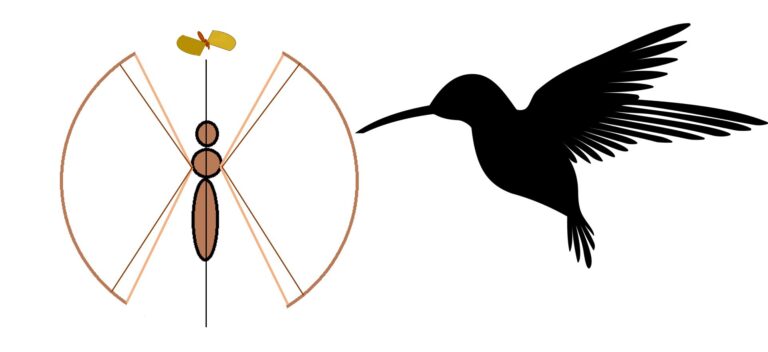
Insect robots: How do they fly?

“How do airplanes stay afloat?” “The same way a bird stays afloat.” When we give that answer to a kid, we fondly realize the connection between nature’s creatures and machines, and that the nature influenced creation of many machines from…

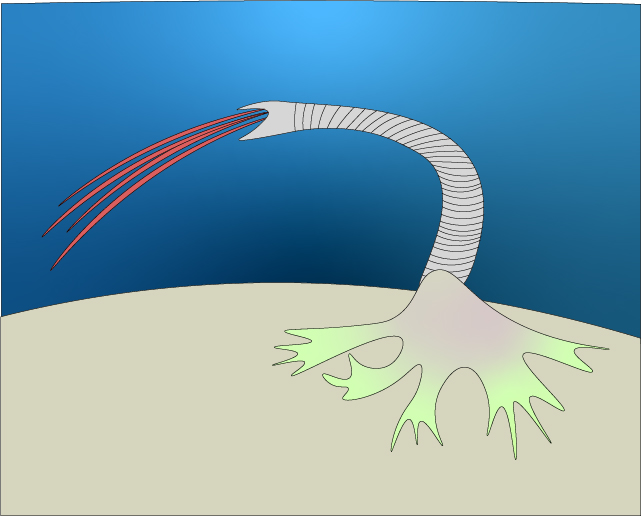
The Undersea Bone Devourer

Osedax, from the Latin os, oris (bone) and edāx, edācis (devourer), is a genus of undersea worms that consumes bone. A genus (which is more Latin, this time for a family group) is a group of species that are similar.…

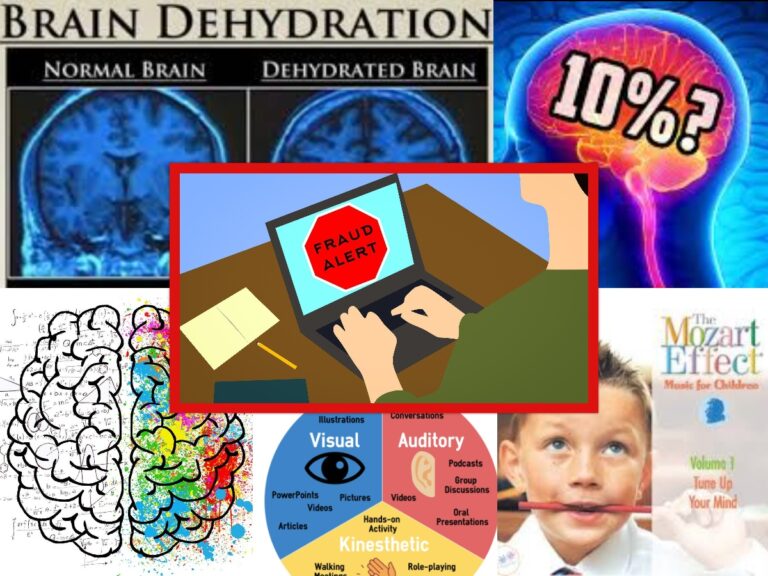
Neuromyths: What We Know, and What We Think We Know

Neuroscience is an ancient subject, but a very young science.  What I mean by that is, while people have been fascinated with the concepts relating to the mind and consciousness for as long as we have recorded records, the scientific,…

A Revolution in Heart Transplants

A ‘Cool’ Way to Transport or Not?  Since their successful conception in 1967 by Dr. Christiaan Barnard, heart transplants have been a staple in the transplant world. They have provided many individuals with end stage cardiomyopathy (weakening of the heart…

Should We Be Worried About Zombie Pathogens?

In the summer of 2016, Arctic regions such as Siberia and Greenland were hit with an unusual heat wave. As plants grew and water levels rose, a thick layer of permafrost that had accumulated from winters prior began to thaw,…

Understanding the Use of CRISPR in Humans

CRISPR, an anacronym that stands for “clustered regularly interspaced short palindromic repeats,” is a concept becoming quite ubiquitous in most biology classes and rapidly gaining familiarity among experimental medicine and biology discussion circles not to mention scientific publications and health-…