
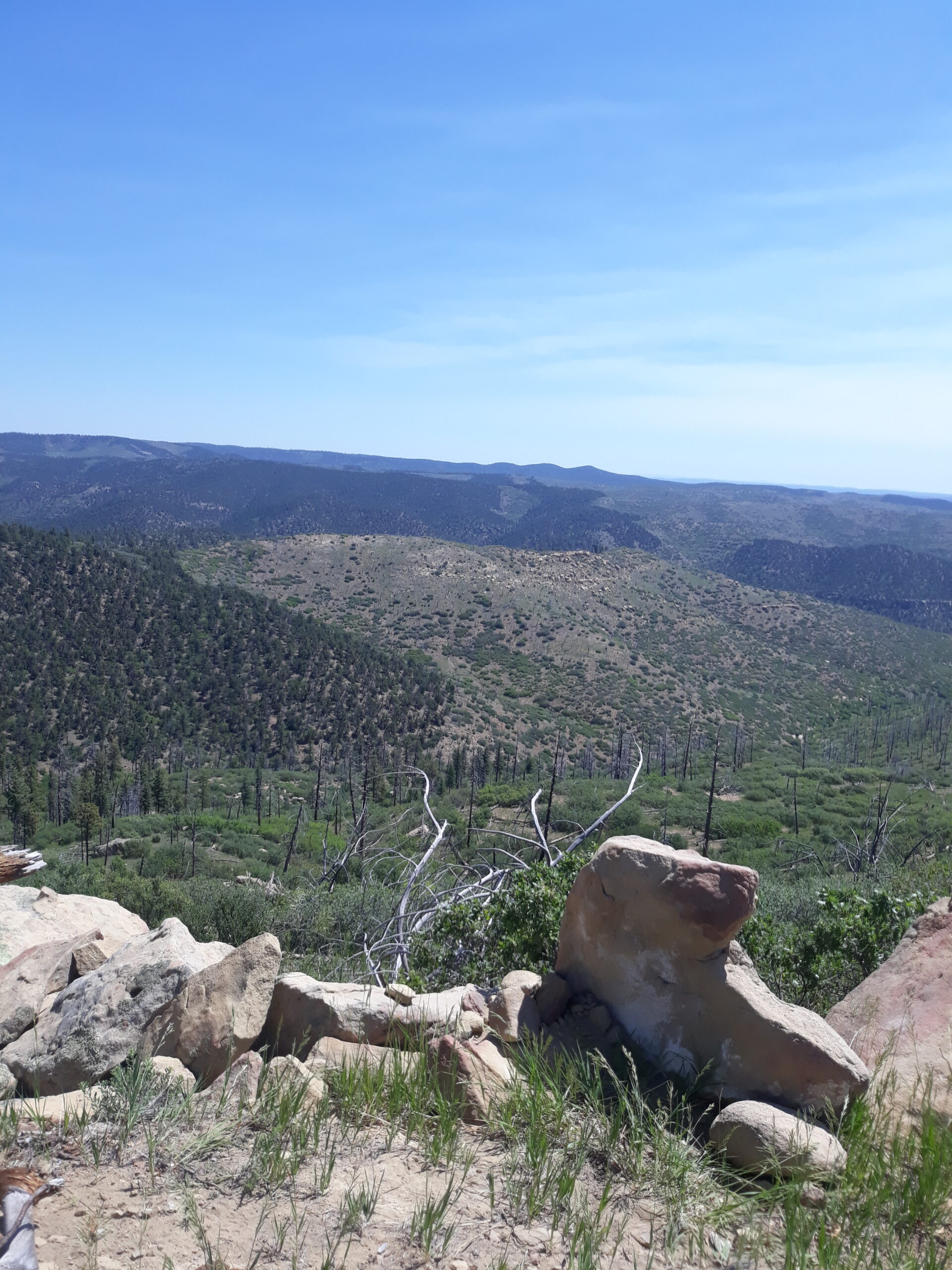

Ever been stressed about an upcoming task and thought, “I could really use a walk right now”? Well, you’re not alone because if no one else has, I at least have. In reality though, this is a very common thought, and it’s not for no reason! There’s actually very solid science behind the effects of being outside on stress and health.
Starting off, even as little as a view from a window can help! People with exposure to windows at work experience less stress and frustration, fewer illnesses, and more enthusiasm for work (Pretty, 2004). At home, views of nature support cognitive development of children and reduce crime (Pretty, 2004). Another study showed that just viewing pictures of nature increased one’s subjective vitality (a measure which the article describes as a sense of enthusiasm, aliveness, and energy available to the self), whereas viewing pictures of urban buildings decreased subjective vitality (Ryan et al., 2010).
Doing activities in nature, which Pretty calls “incidental exposure”, also has myriad benefits. Children exposed to vegetation were less stressed and more able to recover from stressful events than those who were not (Pretty, 2004). Patients see both health benefits and mood benefits from visiting gardens during their hospital stay (Pretty, 2004). Furthermore, participants in a study who took a walk outside reported a positive change in vitality, while those who took the same walk inside showed no change in vitality (Ryan et al., 2010).
So, when you find yourself with an inexplicable need to go outside (as I so often do), don’t feel silly! What you’re feeling is your body knowing that going outside (or even just looking outside) is a science backed remedy to your stress! So next time you feel that, listen!
References:
Pretty, J. (2004). How nature contributes to mental and physical health. Spirituality and Health International, 5(2), 68–78. https://doi.org/10.1002/shi.220
Ryan, R. M., Weinstein, N., Bernstein, J., Brown, K. W., Mistretta, L., & Gagné, M. (2010). Vitalizing effects of being outdoors and in nature. Journal of Environmental Psychology, 30(2), 159–168. https://doi.org/10.1016/j.jenvp.2009.10.009
