

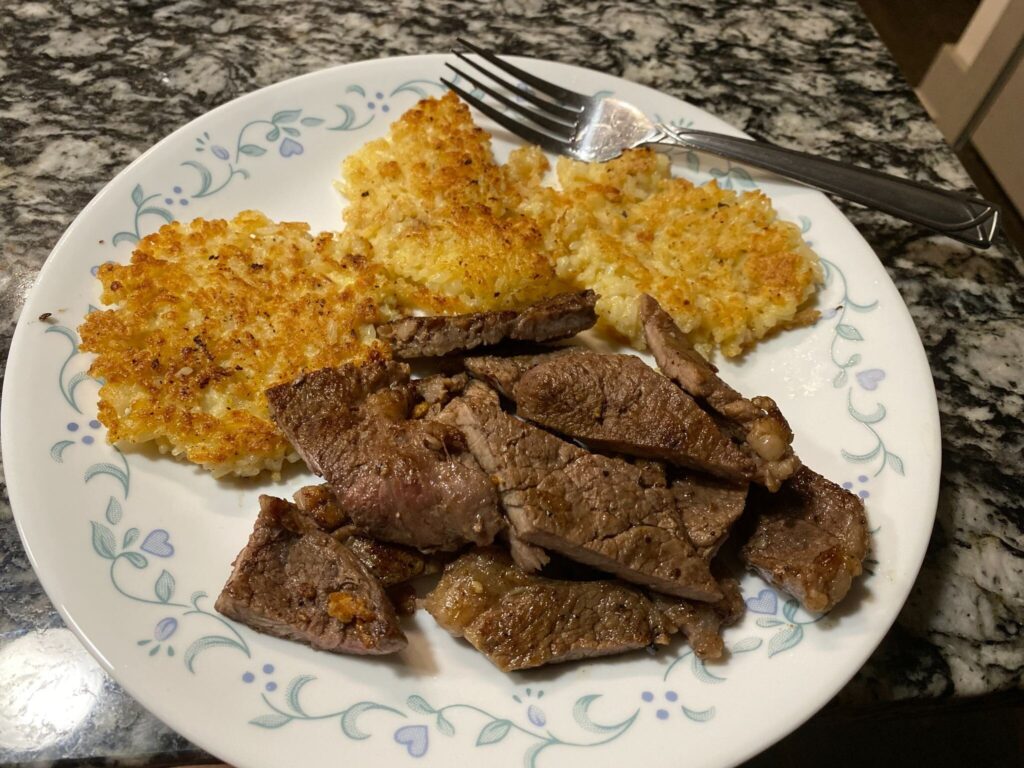
At the start of my second year of college, I found myself in the kitchen with no parents and no dining plan to help me, but what I did have was a pantry and fridge full of ingredients. Therefore, I committed myself to learning how to cook (and how to make time for myself to cook), and while this journey has been rewarding, it has not come without its challenges. One particularly memorable day, I decided to pan fry some beef with a simple seasoning, just salt and pepper. The aroma filled the room, and I excitedly took a bite, and it was very…
Tough.
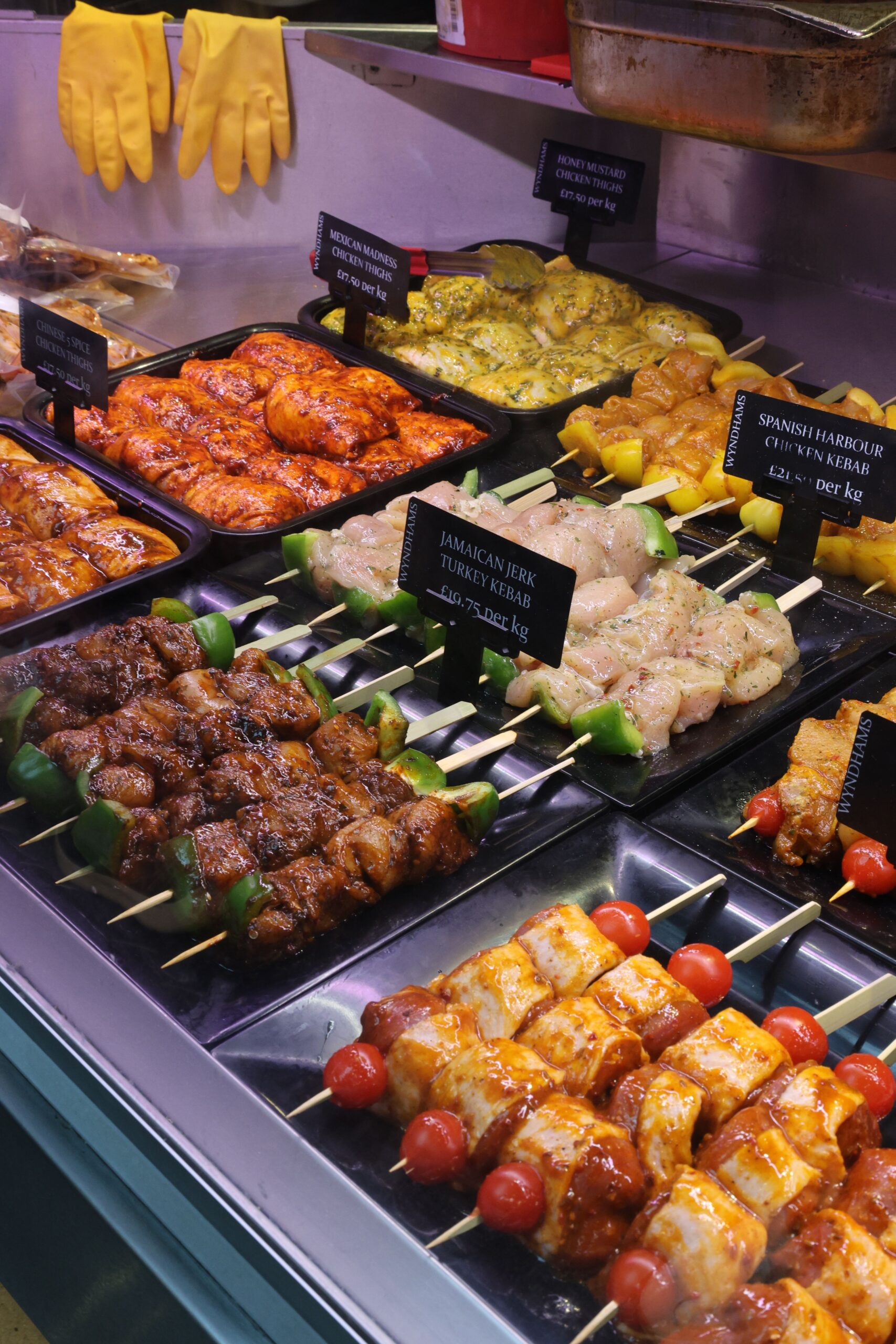
It was still edible, though, and it tasted good, but the texture was less than satisfactory. And so, after this meal, I decided that my days of just throwing meat in the pan were over, and to do some research on how to improve the texture of my food. One such way I found was to marinate ingredients before cooking them, but what marinades to use? A group of scientists sought to answer this question, testing the effects of different types of marinades, testing several of each type of the five different “marinade groups” they defined: traditional, beer/wine, seed/oil based marinade, dairy product/probiotics, and herbs/spices (Serdaroglu et al., 2024).
Traditional
Traditional marinades include salt, water, and acids, which have been found to decrease the number of potentially harmful bacteria in foods. For example, scientists tested a marinade of salt, black pepper, and paprika among other ingredients that decreased the amount of E. coli and salmonella in camel meat. Salt can also increase the tenderness of meats. Additionally, they found rosehip vinegar to be effective against pathogens found in beef (Serdaroglu et al., 2024).
Beer and Wine
A wine-based marinade made with ethanol pomegranate extract and oregano essential oil was found to decrease the total amount of mesophilic bacteria (Serdaroglu et al., 2024). They are also known for infusing deep amounts of flavor into meats.
Seed/Oil Based
Seed/oil based marinades are good for keeping moisture in foods so that they don’t become dry. One such marinade that scientists used included sunflower oil, which increased the meat’s moisture content and decreased the amount of cooking loss, or the amount of moisture lost due to cooking (Serdaroglu et al., 2024).
Dairy Product/Probiotics
These marinades can improve the texture of the meat you’re trying to cook. For instance, a marinade of kefir, yogurt, and buttermilk increased the tenderness and decreased the chewiness of pork. Another upside is that buttermilk and whey can also reduce some types of harmful bacteria (Serdaroglu et al., 2024).
Herbs and Spices
Herbs and spices are most commonly added to marinades to season the meat and add flavor. However, the scientists also applied a blend of aromatic herbs such as rosemary and thyme to beef and found that its hardness, chewiness, and gumminess also decreased as a result of this marinade (Serdaroglu et al., 2024).
On Vegetables and Marination
While this study focused on meat, marination can be useful for vegetables as well. For some, vegetables don’t have much flavor, making them hard to eat, so soaking vegetables in some sauces/seasonings can be a good way to give them an extra kick. In addition, when cooking vegetables, the amount of polycyclic aromatic hydrocarbons (PAHs), which have carcinogenic, genotoxic, and mutagenic properties, increases. However, some ingredients, notably red grape vinegar, apple vinegar, lemon juice, black pepper, garlic powder, and tert-butylhydroquinone (TBHQ), an additive normally found in processed foods, help to inhibit the rate of PAH formation while cooking (Kacmaz Ozcetin & Artok, 2025).
Remembering the existence of marinating food as a cooking technique brought me to recall hearing that adding cornstarch, baking soda, and salt can help improve the tenderness of meat. So the next time I cooked it, I let the beef I was going to cook sit in these ingredients for a while, and it was much more tender, just from the addition of three simple ingredients! So sometimes, to improve your cooking, a lot of the time, you don’t need to learn a lot of elaborate cooking techniques or buy a bunch of fancy ingredients. Sometimes, you just need to take what you have in your pantry, mix the ingredients together, and let them sit for a while.
References
Chen, J. (2025, June 13). Delicious assorted meat skewers displayed in market · free stock photo. Pexels. https://www.pexels.com/photo/delicious-assorted-meat-skewers-displayed-in-market-32540279/
Kacmaz Ozcetin, S., & Artok, L. (2025). Effect of marination on the formation of polycyclic aromatic hydrocarbons in grilled vegetables. Food Science & Nutrition, 13(7), Article e70600. https://doi.org/10.1002/fsn3.70600
Serdaroglu, M., Yüncü-Boyacı, Ö., & Karaman, M. (2024). Enhancing meat quality through marination: Principle, ingredients and effects. Food Science and Applied Biotechnology, 7(2), 162–181. https://doi.org/10.30721/fsab2024.v7.i2.369
